

Are you thinking about installing renewable energy systems at home to lower your energy bills and reduce your carbon footprint? With so many options available, it can be challenging to know where to start.
To help you determine which renewable technologies are best suited for your home, we’ve outlined the key factors to consider, such as CO2 savings, site constraints, financial benefits, and potential impacts.
For a more detailed analysis and to find out which technology would work best for your home or project, our specialist team can conduct an energy statement. This will provide you with tailored recommendations based on the technologies discussed in this newsletter.
Exploring Renewable Technologies
- Biomass
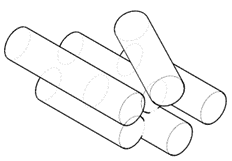
Biomass energy is produced by burning organic materials like wood, plants, or even household waste. While biomass can be a renewable and sustainable option, there are limitations to its use, particularly in urban settings where the storage and delivery of fuel can be challenging. Additionally, burning wood pellets can release high levels of NOx emissions, which might not be ideal for every location.
- Photovoltaic (PV) Panels
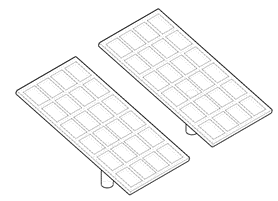
Solar panels are a popular choice for homeowners looking to generate their own clean, renewable electricity. By installing PV panels on your roof, you can take advantage of the sun’s power—even on cloudy days. Solar panels offer significant cost savings on electricity bills and may also provide the opportunity to earn money by selling excess energy back to the grid. They are a great choice for anyone looking to reduce their carbon footprint while enjoying long-term financial benefits.
Solar Thermal Panels
Solar thermal panels, or solar collectors, are designed to use the sun’s heat to warm water stored in a cylinder. These systems work well even in colder climates and overcast weather, making them a versatile option. They require minimal maintenance and can provide additional financial incentives, such as saving water heating bills, however this is all dependent on your location and installation size.

- Heat Pumps
Heat pumps are an excellent alternative to traditional heating systems. They use electricity to extract heat from the air or ground, offering a more efficient and environmentally friendly option. There are several types of heat pumps:
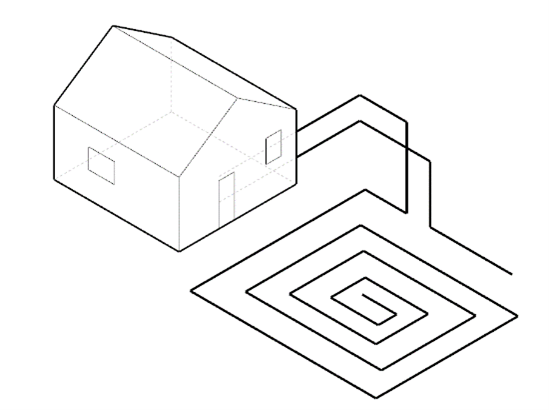
Ground Source Heat Pumps: These systems draw heat from the ground and are highly efficient but require significant outdoor space for installation.
Due to many site being constrained to the availability of land and amenity space this technology should be explored based on your site’s capacity.
Air Source Heat Pumps: Air source heat pumps are easier to install and can be up to 300% more efficient than traditional gas boilers, making them a great option for homes with limited space for alternative renewable technologies.

The downsides, may include that heat pumps have higher upfront costs (which may possible to be offset by government funding) and can be less efficient in very cold climates and dependent on how many kW of power is required there maybe concerns with environmental noise being generated.
Hot Water Heat Pumps: Designed for internal use, these systems require a small utility room and are ideal for heating water in smaller homes or apartments.
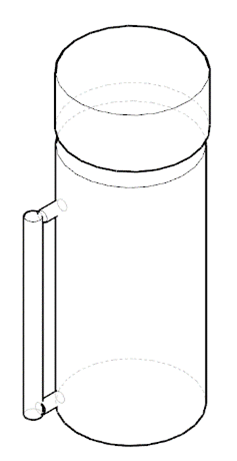
This system is a low-carbon technology for heating hot water. The heat pump collects energy from the air and converts this into heat, which is then transferred to the water within the cylinder – creating hot water up to 60°C.
Hot Water Heat Pump is designed for internal use only and should be located next to or near an external wall – as this will simplify ducting – which must be insulated. The unit requires a supply and exhaust duct to the external air.
- Wind Turbines
Wind turbines can generate substantial energy but require specific conditions to be effective, including a location with consistent wind speeds of at least six meters per second. They also need a large open area for installation, making them less suitable for urban or suburban settings.

Tailoring Renewable Technologies to Your Property Type
The best renewable technology for your home will depend on its size, location, and specific needs. Here are some popular options based on property type:
For 1-2 Bedroom Houses or Flats in Urban/Suburban Areas:
- Hot Water Heat Pumps are a great choice for smaller properties as they are compact, efficient, and don’t require outdoor space.
- Photovoltaic Panels can help balance electricity costs and provide clean energy without taking up much space.
For 3+ Bedroom Houses or Flats in Urban/Suburban Areas:
- Air Source Heat Pumps are ideal for larger homes, offering high energy efficiency and significant carbon savings. Just check local regulations for any planning permissions that might be required.
- Photovoltaic Panels are also a good option for larger properties, contributing to reduced CO2 emissions while maintaining the aesthetic of the home.

For Houses or Flats in Rural Areas:
Rural properties often have more space and fewer restrictions, making them suitable for a wider range of renewable technologies.
Options include:
- Photovoltaic Panels and Air Source Heat Pumps for versatile, clean energy solutions.
- Biomass and Wind Turbines for properties with ample outdoor space and favourable conditions.

Before making any decisions, it’s important to consult with local authorities to ensure compliance with planning permissions, especially if your property is in a conservation area.
Either as part of a planning stage Energy Statement or a project specific feasibility study, we would be happy to assist your project, so please do call us to discuss on 01865 378885 or via “Contact us.