
What is Retrofitting
Retrofitting is the process of modifying or upgrading existing buildings, systems, or equipment to improve their performance and efficiency. This represents a positive and strategic improvement to a property, as it contributes to reduced operational costs, particularly in relation to heating in residential properties, enhances the property’s air-tightness, and ultimately improves comfort levels for its occupants.
 What are the Benefits
Energy Efficiency and Cost Savings
-
- Enhancing the building fabric, such as increased insulation to the walls, roof and floors, improves energy efficiency and can significantly reduce the heating costs of the property.
Improved Living Conditions
-
- Living quality can be improved, particularly with respect to indoor air quality, reducing the risk of damp and creating a more comfortable environment for the occupants.
Increase in property value
-
- Homes with energy efficient features such as PV panels or heat pumps can be more attractive to buyers and have the potential to increase the property’s value. Some mortgage providers offer preferential green mortgages to properties which have an EPC Rating of B and above.
Sustainability Benefits
-
- Energy Efficient measures contribute to a more sustainable built environment by reducing a property’s energy consumption and associated carbon emissions. Also, retrofitting can enable the integration of low carbon heating solutions like ground or air source heat pumps which might otherwise not be feasible, decreasing reliance on fossil fuel.
What are the Challenges
Nonetheless, the process of retrofitting can present various complexities and obstacles depending on the circumstances of each property.
Inadequate Ventilation, Risk of Condensation and Growth of Mould
-
- Thorough draft proofing without consideration to the need for adequate ventilation can lead to increased risk of condensation and mould growth, both of which pose health hazards. However, appropriate design and proactive actions can reduce that risk significantly.
High Initial Costs and Disruption
-
- Retrofitting can sometimes involve significant upfront investments, particularly for comprehensive upgrades, it also can often disrupt daily life, requiring residents to temporarily relocate or endure construction noise and dust. Effective planning and advance scheduling of improvement works can mitigate this issue.
Complexity and Integration
-
- Integrating new technologies and systems into existing buildings often presents significant challenges, requiring specialized expertise and meticulous planning. One common limitation is the restricted internal space available to accommodate new equipment, which can constrain design options and complicate installation processes. Addressing these complexities early in the project helps ensure a seamless retrofit plan that maximizes performance benefits while minimizing risks and costs.
Impact on Heritage Buildings:
-
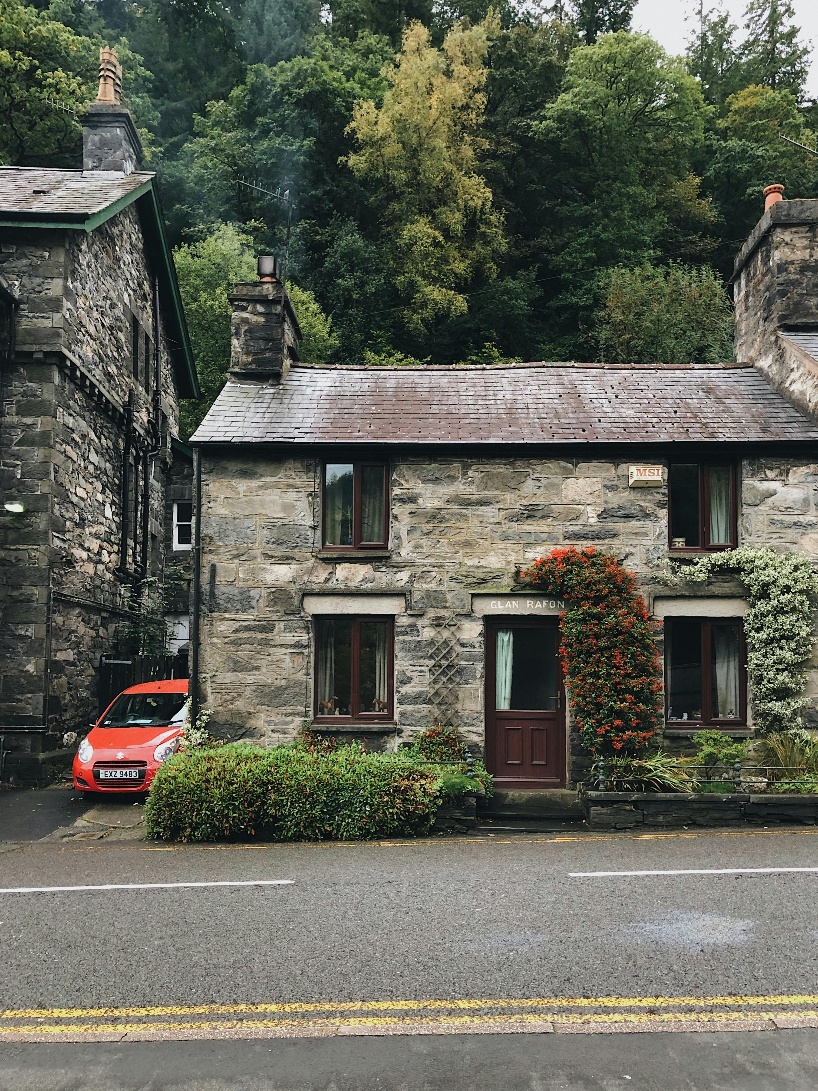
- Heritage buildings come with their own challenges with their unique features needing to be protected. Careful consideration must be given to the materials and methods used to ensure they are sympathetic to the property’s original style. If caution is not exercised, the character of the building may be damaged. For this reason, involvement of experts in historic buildings is recommended, and adherence to relevant regulations is required to ensure that improvements are carried out carefully and respectfully.
However, giving due consideration to these unique challenges of retrofitting buildings will ensure that the benefits are fully realised. For further insights or advice, or to enquire about an audit on your property and what improvements could be made to improve its rating, please call us on 01865 378885 or through the Contact Us form.