
Overheating has been identified as a major concern to people’s health and productivity in UK homes and buildings. It was projected that in the summer of 2022, overheating will occur in about 5% of UK houses. Even with significant reductions in worldwide greenhouse gas emissions, it is predicted that by 2050, a “hot” summer like the one in 2018 would become the norm. This could make the problem worse. New rules have been implemented to guarantee that residents of newly constructed residential buildings do not experience extreme heat as a result of the combination of rising temperatures and the construction of modern buildings consisting of larger windows and high-performance fabric.
After being published in December 2021, Approved Document O (2021 edition – England) became enforceable in England as of June 15, 2022. New residential buildings, including houses and apartments, are subject to Part O of the Building Regulations (e.g., care homes, nursery school sleep rooms, student accommodation, and prison etc).
Overheating has been identified as a major concern to people’s health and productivity in UK homes and buildings. It was projected that in the summer of 2022, overheating will occur in about 5% of UK houses. Even with significant reductions in worldwide greenhouse gas emissions, it is predicted that by 2050, a “hot” summer like the one in 2018 would become the norm. This could make the problem worse. New rules have been implemented to guarantee that residents of newly constructed residential buildings do not experience extreme heat as a result of the combination of rising temperatures and the construction of modern buildings consisting of larger windows and high-performance fabric.
After being published in December 2021, Approved Document O (2021 edition – England) became enforceable in England as of June 15, 2022. New residential buildings, including houses and apartments, are subject to Part O of the Building Regulations (e.g., care homes, nursery school sleep rooms, student accommodation, and prison etc).

Two methods are outlined in Part O to prove compliance with Requirement O1(1):
1. The Simplified Method: limits solar gains and eliminates superfluous heat by dictating maximum glazing areas and minimum free areas of openings permitted in rooms and buildings.
2. Dynamic Thermal Modelling: is a computational technique that provides more design flexibility than the Simplified Method. It encompasses the following:
• Airtight and highly insulated residential buildings;
• Residential constructions with particular site conditions;
• Residential buildings that are heavily shaded by nearby structures, properties, or the surrounding area
Using the dynamic thermal modelling approach in line with CIBSE TM59 will improve the accuracy of overheating risk analysis and provide more design flexibility. Whichever approach is chosen, the investigation should result in a workable Overheating Strategy.
Non-residential buildings are exempt from Part O of the Building Regulations. Nevertheless, a BREEAM mandate or an evaluation to reduce the danger of overheating may also apply to commercial structures. The most widely used guidelines for overheating analysis in non-domestic buildings are CIBSE TM 52 and CIBSE Guide A.
At ERS Consultants Ltd., we address overheating concerns pragmatically and can provide assessments to meet your demands from:
• Part O Compliance
• CBISE TM59 Dynamic Simulation Modelling;
• CIBSE TM52 Dynamic Simulation Modelling;
• Simplified Risk Assessment of Overheating
With our vast experience in overheating risk assessment, we at ERS Consultants Ltd. can offer you a service that is appropriate for your requirements. It would be great if you could contact us as soon as possible for Part O compliance, ideally during the planning phase for a preliminary Part O compliance service using the Simplified Method. We will carefully review your conceptual drawings to make sure that the glazing sizes and open spaces are appropriate. In case a project is unable to meet the Simplified Method’s requirements, we will advise you on an affordable way to do so.
Not all projects will be appropriate for Part O Simplified Method utilisation. If you need it, we can provide you with advice on dynamic overheating modelling, which is often done during the Building Regulation compliance phase. As a result, we are able to precisely integrate the internal heat gains of any planned or existing structure, including people, lights, and equipment, into a dynamic simulation thermal model.
In addition, we will model any windows, louvres, or shading devices. Finally, we will simulate the building’s level of overheating during a typical hot Design Summer Year (DSY) by using real meteorological data for the building’s location. To find out if the overheating results we provide would comply with the rules and not overheat, we can compare them to the applicable standards for your type of building, such as CIBSE TM 52 for offices and Part O for dwellings or care homes.
Alternative design approaches, such as reducing the G-Value of the windows or enhancing the opening angle of the windows, can be simulated and the outcomes will be compared if any rooms are discovered to be overheated. Mechanical ventilation might then be necessary in any space that is still overheated in order to maintain a comfortable interior temperature. A cooling system will be taken into consideration for the remaining spaces in case that there is additional overheating situation. If using a cooling system is the case, we may additionally perform the calculations for the Peak Cooling Load needed to size the cooling system.
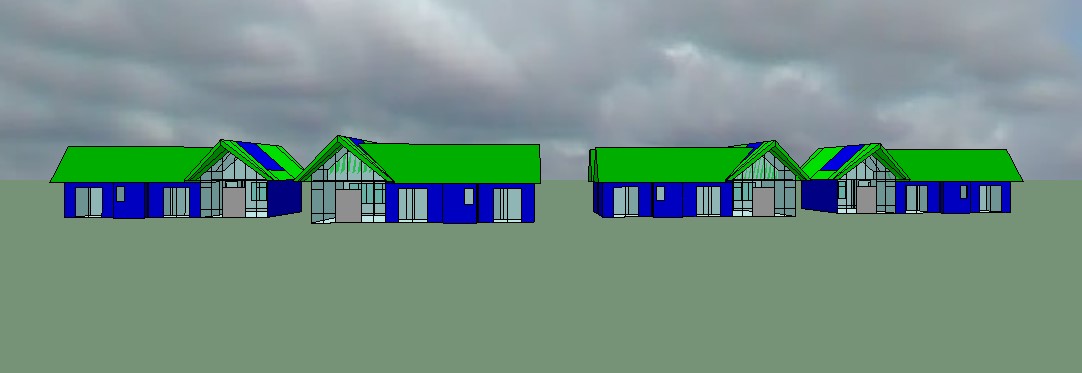
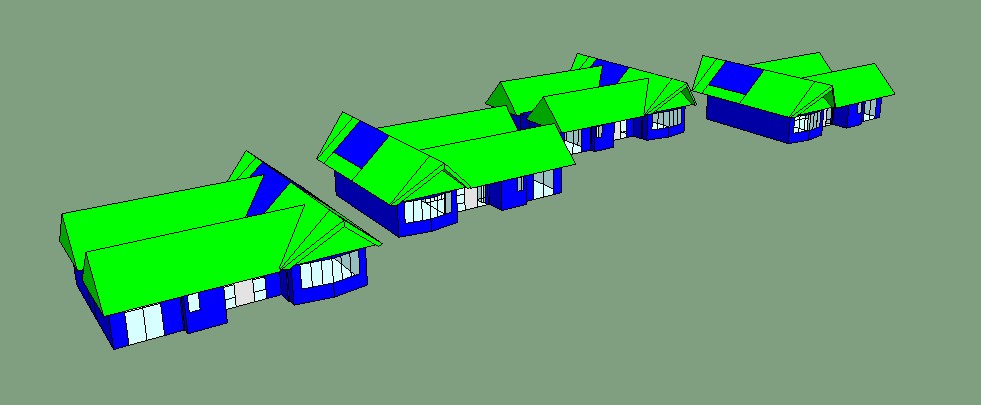
Edgar Taylor (Buckingham) Ltd- Bartlett’s Care Home


Artius Design Ltd- Simrit House _379 Staines Rd
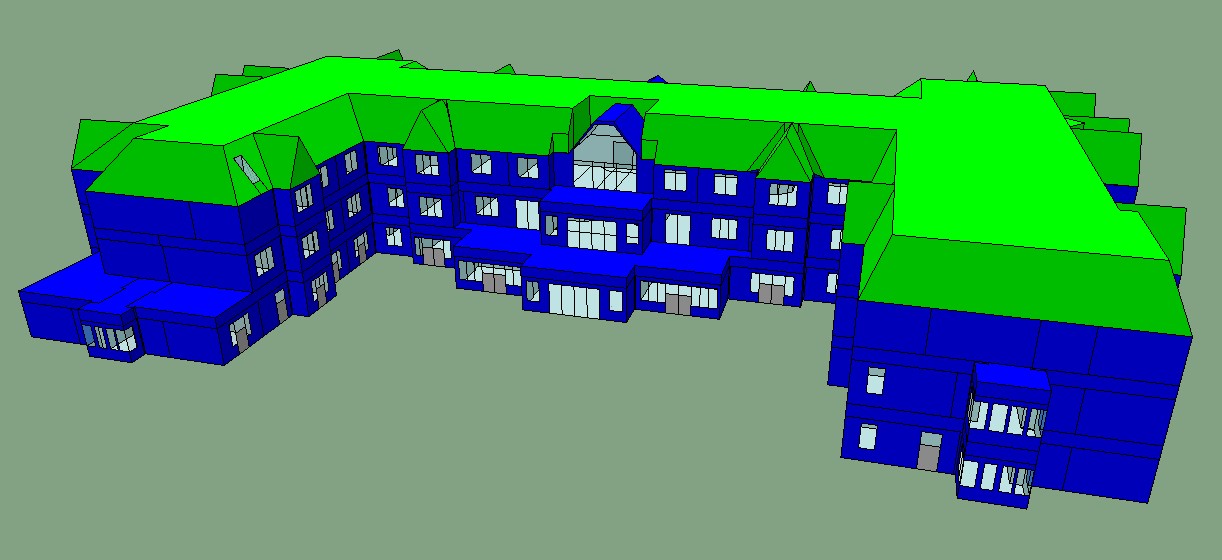
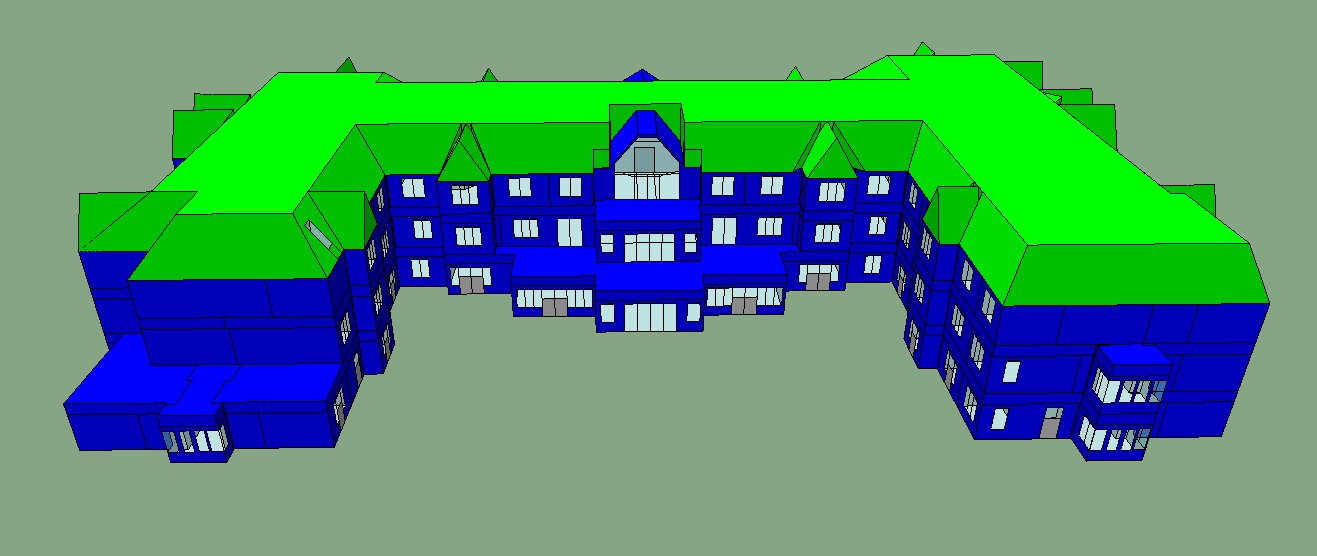
John Cobb Consulting- Aylesbury Care Home

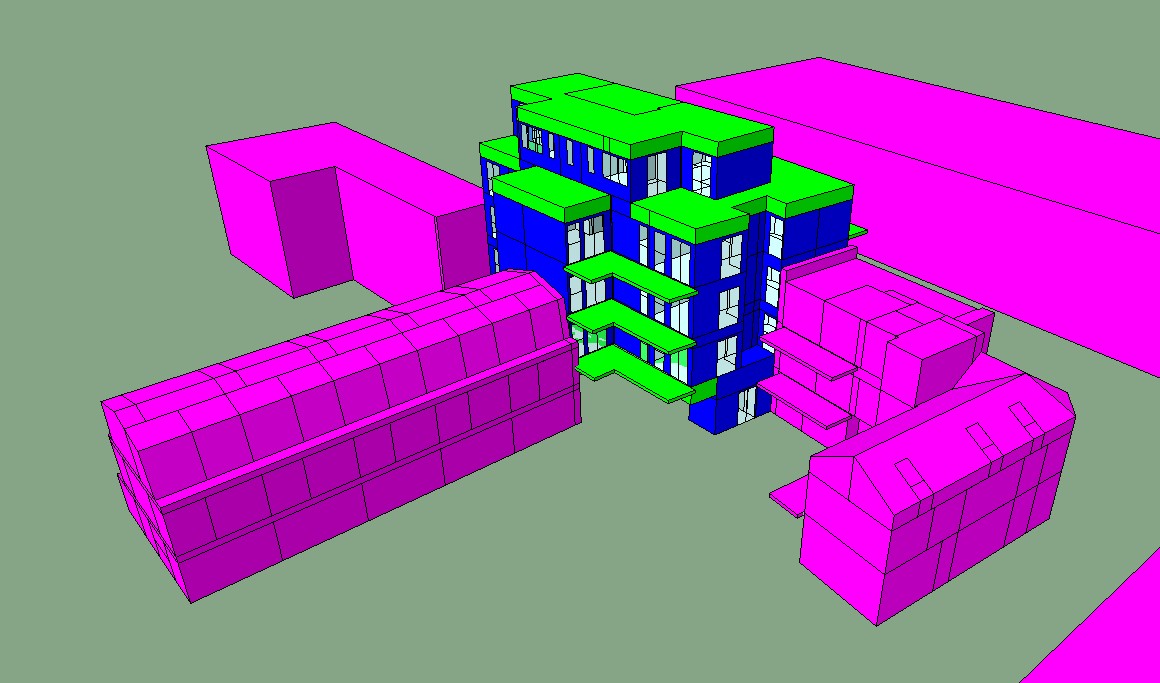
Five Construction Ltd – 92 – 100 Warwick Road, W5 5PT